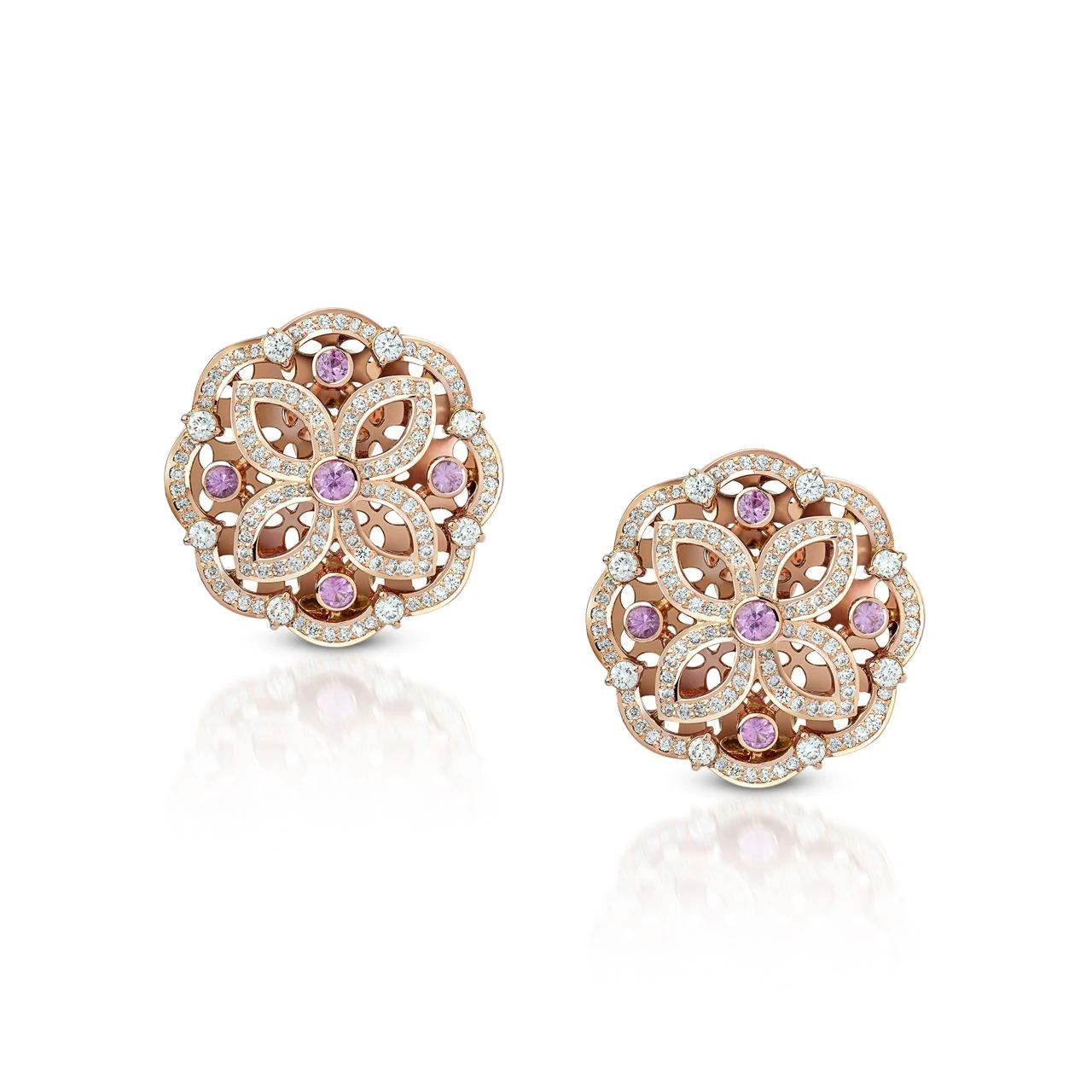
1. Explain what you are creating.
Identify the product category and its purpose. Is it a new retail collection, a one-off commission or a repeat order? Describe the customer, intended use and the details that must remain true to the design.
Attach sketches or reference images you have permission to use. Explain what each reference demonstrates; an image alone does not specify dimensions, quality or construction.
2. Specify the materials.
State the gold purity and colour, a target weight if relevant, and the desired finish. For stones, include identity, shape, measurements, quantity, quality requirements and whether you or the manufacturer will supply them.
Separate natural and laboratory-grown diamond requirements clearly. If reports, origin information or treatment disclosures are important, list them rather than assuming they are included.
3. Define sizes and quantities.
List the intended quantity by design and variation. Include ring sizes, chain lengths, bracelet lengths and earring dimensions. A total order quantity without the variation breakdown can hide substantial production work.
4. Share the target cost.
A budget helps assess whether design choices are commercially suitable. Clarify whether the target includes gold and stones or covers manufacturing only. Ask how metal price movements and final weight differences are treated.
5. Agree the development scope.
Identify whether you need design work, CAD, a physical sample or production from an existing approved model. Request the fees, included revisions, deliverables and approval steps in writing.
6. Discuss rights and confidentiality.
Agree design ownership, rights to manufacture, access to CAD files and any mould ownership. If the project is confidential, settle the appropriate terms before sharing sensitive files.
7. Give a realistic timeline.
State your required date and what it refers to: sample approval, factory handover or final delivery. Ask the manufacturer to confirm feasibility rather than assuming your requested date is accepted.
A brief you can reuse.
- Business name and project contact.
- Product category, design references and purpose.
- Gold and stone specifications.
- Dimensions, sizes and quantities.
- Target cost and material-supply responsibilities.
- Development, documentation and confidentiality requirements.
- Requested timing and delivery destination.
Once the project is approved, keep the accepted brief with the quotation and sample reference. Record later changes in one place so everyone works from the same specification.